RisingStar
- Home
- About Us
- Products
- News
- Video
- Contact
- Send Inquiry
Search
- Home
- About Us
- Products
- News
- Video
- Contact
- Send Inquiry
RisingStar
High-brightness sunlight-readable LCD displays are critical components in modern outdoor industrial equipment, especially for applications where visibility under direct sunlight is non-negotiable. Whether it's a construction vehicle dashboard, a portable medical device used in field operations, or an agricultural monitoring system, these displays must perform reliably under extreme lighting conditions—from 10,000 lux in full sun to 100 lux in dimly lit environments.
The key to achieving high readability in bright ambient light lies in advanced display technologies such as transflective liquid crystal displays (LCDs), which combine both transmissive and reflective modes. In low-light settings, the backlight illuminates the screen; in direct sunlight, the reflective layer uses ambient light to enhance contrast and reduce power consumption. This dual-mode functionality is essential for battery-powered systems commonly found in mobile equipment.
According to the International Electrotechnical Commission (IEC) standard IEC 60950-1, industrial-grade displays must withstand harsh operating environments—including temperature extremes (-20°C to +70°C), humidity, vibration, and shock. Leading manufacturers like Sharp, LG Display, and BOE have developed high-brightness LCD panels that exceed 5,000 nits of peak brightness while maintaining energy efficiency through adaptive brightness control algorithms. For example, a recent case study from a European construction equipment OEM showed a 35% reduction in power consumption when deploying 7,000-nit transflective LCDs versus traditional backlit models in excavator consoles.
Moreover, anti-glare coatings, polarization filters, and wide viewing angles (typically ≥140° horizontal/vertical) further improve usability in dynamic outdoor conditions. The use of hardened glass with scratch resistance (like Gorilla Glass or similar) ensures durability against mechanical stress—a crucial factor for equipment exposed to dust, debris, or accidental impacts.
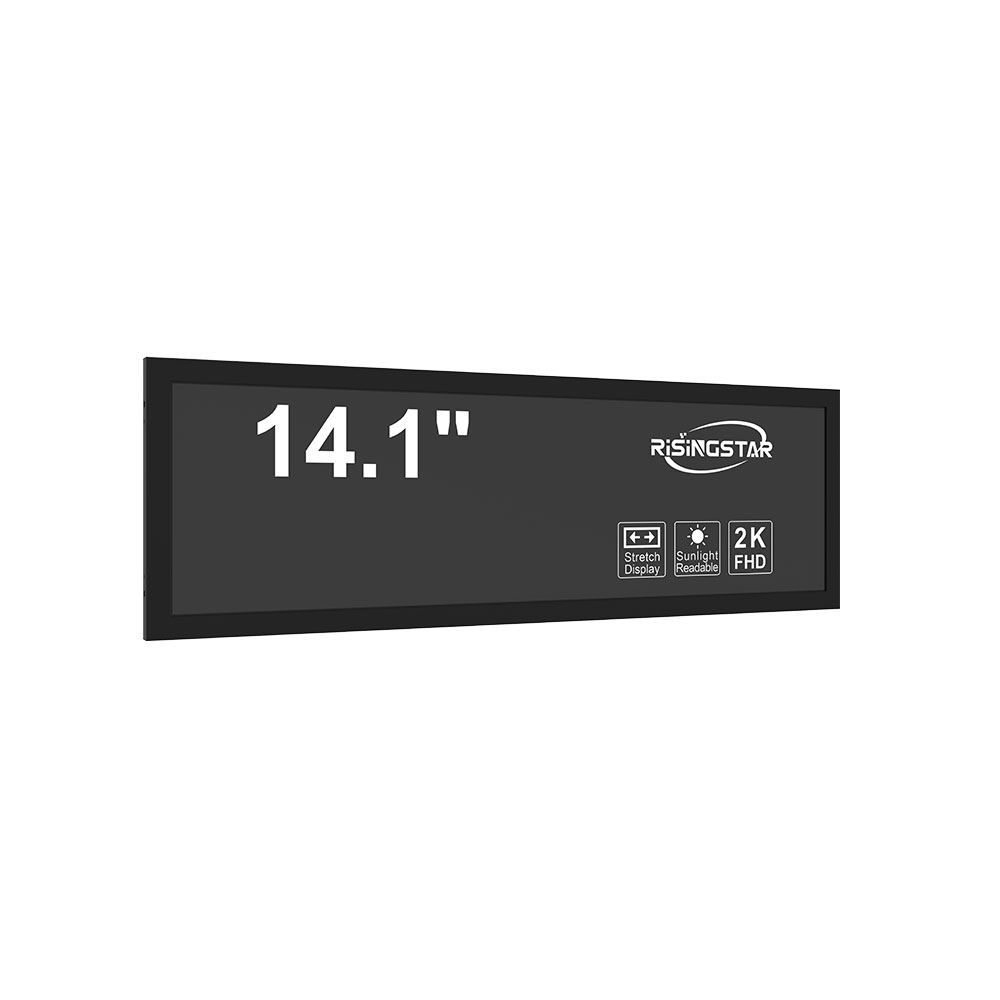
For overseas equipment manufacturers and distributors, selecting the right sunlight-readable LCD requires evaluating not only brightness levels but also long-term reliability, compliance with international standards (e.g., CE, FCC, RoHS), and support for custom integration (e.g., touch overlay compatibility, embedded drivers). Many global suppliers now offer modular design solutions that reduce time-to-market—such as pre-certified modules compatible with CAN bus, RS-232, or LVDS interfaces—allowing faster deployment in ruggedized products.
In summary, sunlight-readable LCDs are no longer optional for industrial applications—they are a necessity. With increasing demand from sectors like agriculture, mining, logistics, and emergency response, investing in high-performance, certified, and scalable display solutions will directly impact product competitiveness, user safety, and operational uptime.