RisingStar
- Home
- About Us
- Products
- News
- Video
- Contact
- Send Inquiry
Search
- Home
- About Us
- Products
- News
- Video
- Contact
- Send Inquiry
RisingStar
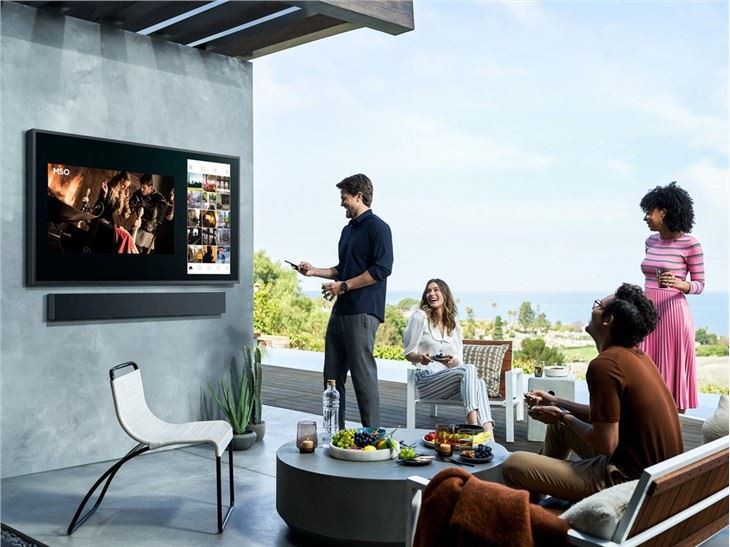
High-brightness sunlight-readable LCD screens have become increasingly integral in today's technology landscape, driven by the demand for visibility in challenging lighting conditions. These displays are specifically engineered to perform in direct sunlight, ensuring clear visibility for users across various applications, from outdoor signage to automotive interfaces.
At the heart of high-brightness LCD technology is the advanced backlighting system, which typically uses Light Emitting Diodes (LEDs) to deliver a luminous output that can exceed 2000 nits, significantly brighter than conventional displays that typically max out around 700 nits. This extraordinary brightness is essential for outdoor visibility, where ambient light levels can significantly diminish display legibility. Furthermore, the application of anti-reflective coatings on the screen surface enhances readability by minimizing glare caused by direct sunlight.
The construction of these screens is engineered with durable materials, such as tempered glass, which not only adds to the screen's longevity but also protects it from environmental challenges such as dust, water, and impact. High-brightness sunlight-readable LCD screens often incorporate features such as high contrast ratios and wide viewing angles, ensuring that content remains clear and vivid, regardless of the viewer's perspective.
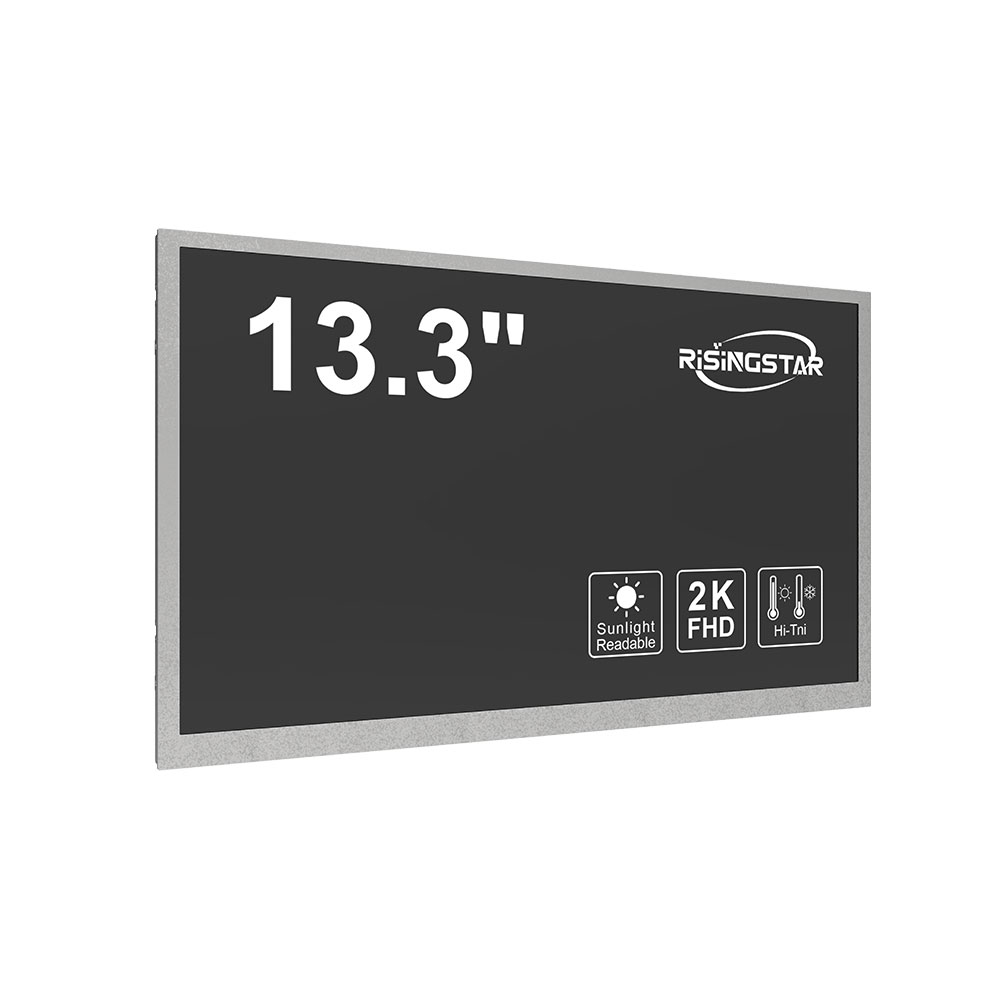
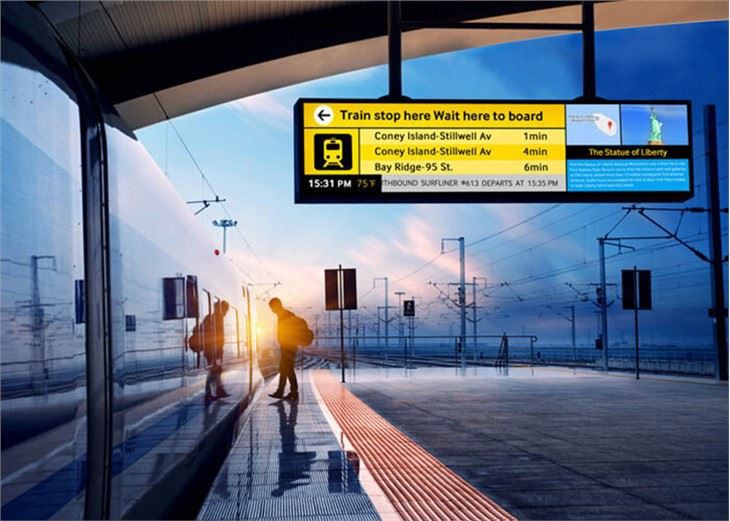
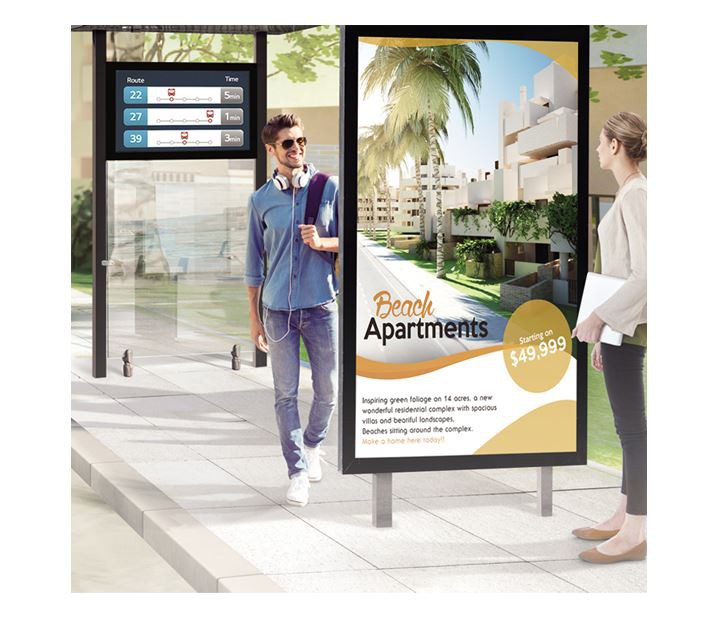
One of the primary applications of high-brightness LCDs is in outdoor digital signage, where advertisements and information must be legible at all times. A notable case study is the implementation of these displays in public transportation systems, such as those used for real-time bus schedules and directions. In cities like New York and Tokyo, high-brightness screens have been installed in bus shelters and stops, helping improve the experience for commuters even in high-sun environments.
Similarly, the automotive industry has adopted high-brightness LCD technology for in-vehicle displays. Dashboards equipped with such displays not only enhance aesthetic appeal but also play an essential role in safety by ensuring that crucial information is easily readable while driving. A case in point can be observed in electric vehicles, where these displays provide real-time status reports even in direct sunlight, significantly enhancing the user experience.
Moreover, industries such as military and aviation have also embraced high-brightness LCD technology. For instance, cockpit displays in advanced aircraft utilize sunlight-readable screens to provide pilots with critical data without distraction from sunlight glare, essential for maintaining safety and operational efficiency.
Additionally, advancements in technology have led to new innovations like transflective LCDs, which combine reflective and transmissive properties, offering a versatile solution that maximizes visibility. This technology utilizes ambient light for better power efficiency, making it ideal for portable devices like tablets used outdoors.
As the demand for high-brightness, sunlight-readable LCDs continues to rise, manufacturers are tasked with ensuring the balance between high performance and energy efficiency. The shift towards incorporating eco-friendly backlighting technologies and improving power consumption in display technologies is now paramount for aligning with global sustainability goals.
In summary, high-brightness sunlight-readable LCD screens represent a vital component in various sectors needing reliable, clear displays under harsh lighting conditions. Their significance spans across several applications, including outdoor digital signage, transportation systems, automotive displays, and military use, making them an essential tool in the digital age. The continuous improvement in display technologies ensures that these screens not only meet but exceed the expectations of users worldwide.